A fire alarm that no one hears provides little real protection. Central station monitoring Arizona facilities rely on ensures every alarm signal reaches emergency responders immediately, not just anyone standing close enough to hear a bell. This guide explains how monitoring actually works, what the applicable standards require, and why it matters for both compliance and safety.
How Central Station Monitoring Works
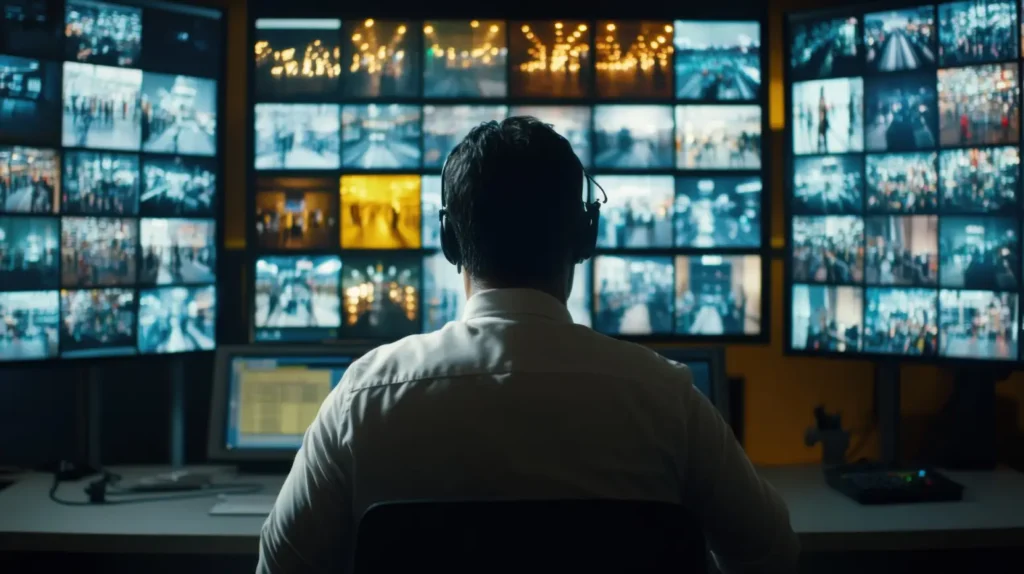
A central monitoring station receives signals from a building’s fire alarm panel around the clock, through a dedicated communication path rather than a general phone line. When a signal comes in, trained operators follow a defined verification and dispatch sequence: confirm the alarm, contact the local fire department, and notify the building’s designated contacts. Under NFPA 72, the national fire alarm and signaling code, that entire sequence has strict maximum time limits, which is why a well-run monitoring station measures its process in seconds, not minutes.
Southwest Integrated Solutions partners exclusively with UL-listed central stations. UL 827 certification means the monitoring facility itself, not just the equipment installed at your building, has been independently audited for staffing levels, operator training, and equipment reliability. Facility managers should confirm any monitoring provider carries this certification before signing a contract, and should ask to see the listing rather than take it on faith.
24/7 Monitoring Closes the Gap When Buildings Sit Empty
Many commercial buildings sit empty overnight, on weekends, or during seasonal closures. Without 24/7 monitoring, a fire during unoccupied hours can burn undetected until someone happens to notice, by which point damage and life-safety risk have both escalated significantly. Continuous monitoring means a signal reaches a trained operator the moment it’s triggered, regardless of whether anyone is on-site to hear it.
This matters most for buildings with long unoccupied stretches: warehouses, retail locations closed overnight, and seasonal facilities that sit dark for weeks at a time. For these properties, monitoring isn’t a redundant layer on top of a fire alarm system, it’s the mechanism that makes the alarm system functional when it matters most.
Fire Alarm Monitoring and Code Compliance Requirements
Many Arizona jurisdictions require monitored fire alarm systems for specific occupancy types, including many assembly, educational, and high-occupancy buildings, under the adopted edition of the International Fire Code and NFPA 72. Installing a fire alarm system does not, by itself, satisfy these requirements. An unmonitored system can pass initial inspection and still leave a facility non-compliant, or worse, leave a real alarm event with no automatic path to dispatch.
Southwest Integrated Solutions confirms applicable monitoring requirements as part of every fire alarm installation project, specifically to prevent this gap from surfacing later during a jurisdictional inspection or insurance review.
What Happens During a Real Monitored Alarm Event
When an alarm activates, the signal reaches the monitoring station within moments over the building’s communication path. Operators attempt verification, then contact local fire department dispatch and the building’s designated contacts in parallel, so response isn’t delayed waiting on either step. From activation to dispatch, this process typically completes in under a minute.
That speed has a direct, measurable effect on outcomes. Fire growth is exponential in the early stages, so shaving even a minute or two off the detection-to-dispatch timeline can meaningfully change how much of a building is damaged and how much risk occupants face before responders arrive.
Choosing a Reliable Central Station Monitoring Partner
Not all monitoring providers offer the same reliability. Facility managers evaluating a provider should ask specifically about:
- Backup power at the central station, sufficient to keep operations running through a utility outage.
- Redundant communication paths, so a single failure point doesn’t take down monitoring entirely.
- Backup monitoring facilities that can take over if the primary station goes offline.
- Operator training and staffing levels, verified through UL listing rather than self-reported.
Southwest Integrated Solutions only partners with UL-listed stations that meet these standards. Provider quality here is not an area to shop on price alone: a monitoring contract that saves a few dollars a month but introduces a single point of failure is a bad trade against the actual cost of a missed alarm.
Redundancy and Backup Systems in Central Station Monitoring
Redundancy isn’t only a reliability feature, it’s often a code requirement for specific occupancy types, which is why facility managers should confirm what applies to their building specifically rather than assume a standard monitoring package covers it. Reliable central stations maintain backup power, multiple communication paths, and a secondary facility capable of taking over monitoring if the primary station experiences an outage.
A provider without meaningful redundancy represents a single point of failure for an entire fire protection strategy, no matter how well-designed the alarm system itself is. Southwest Integrated Solutions confirms which redundancy requirements apply to each facility we serve, since the applicable code section depends on occupancy type and jurisdiction.
Communication Paths Used in Modern Fire Alarm Monitoring
Signals travel from a building’s fire alarm panel to the central station over cellular, internet (IP), or traditional phone line paths. Traditional phone lines are increasingly being phased out in favor of cellular and IP paths, which report faster and are harder to disable by cutting a single line. Southwest Integrated Solutions helps clients select the path best suited to their building’s existing infrastructure and jurisdiction’s requirements.
Some jurisdictions require dual, redundant communication paths for certain occupancy types specifically so monitoring continues if one path fails. Skipping this requirement, whether from cost-cutting or oversight, creates an unexpected compliance gap that typically surfaces during an inspection rather than during routine operation, which is the worst time to discover it.
Cost Considerations for Central Station Monitoring Services
Monitoring costs scale with the number of monitored points, communication path type, and service level agreement. Facility managers should weigh those costs against the liability exposure monitoring addresses, not evaluate monitoring pricing in isolation from what it protects. Southwest Integrated Solutions provides itemized pricing for every monitoring proposal so facility owners can see exactly what they’re paying for.
Bundling monitoring with other fire and security services often reduces overall cost and simplifies vendor management by consolidating service under a single provider and a single point of contact. That said, choosing the lowest-cost monitoring option without evaluating UL listing, redundancy, and operator standards can introduce risk that far outweighs modest savings. A delayed or missed alarm response carries a cost that a lower monthly monitoring fee will never offset.
Southwest Integrated Solutions: Arizona’s Fire, Security & Access Integration Experts
Central station monitoring is the link between a triggered alarm and an actual emergency response. It only works as well as the station behind it, which is why UL listing, redundancy, and communication path reliability matter as much as the fire alarm system itself.
Ask Southwest Integrated Solutions about monitoring options for your building, including which code requirements apply to your specific occupancy type.