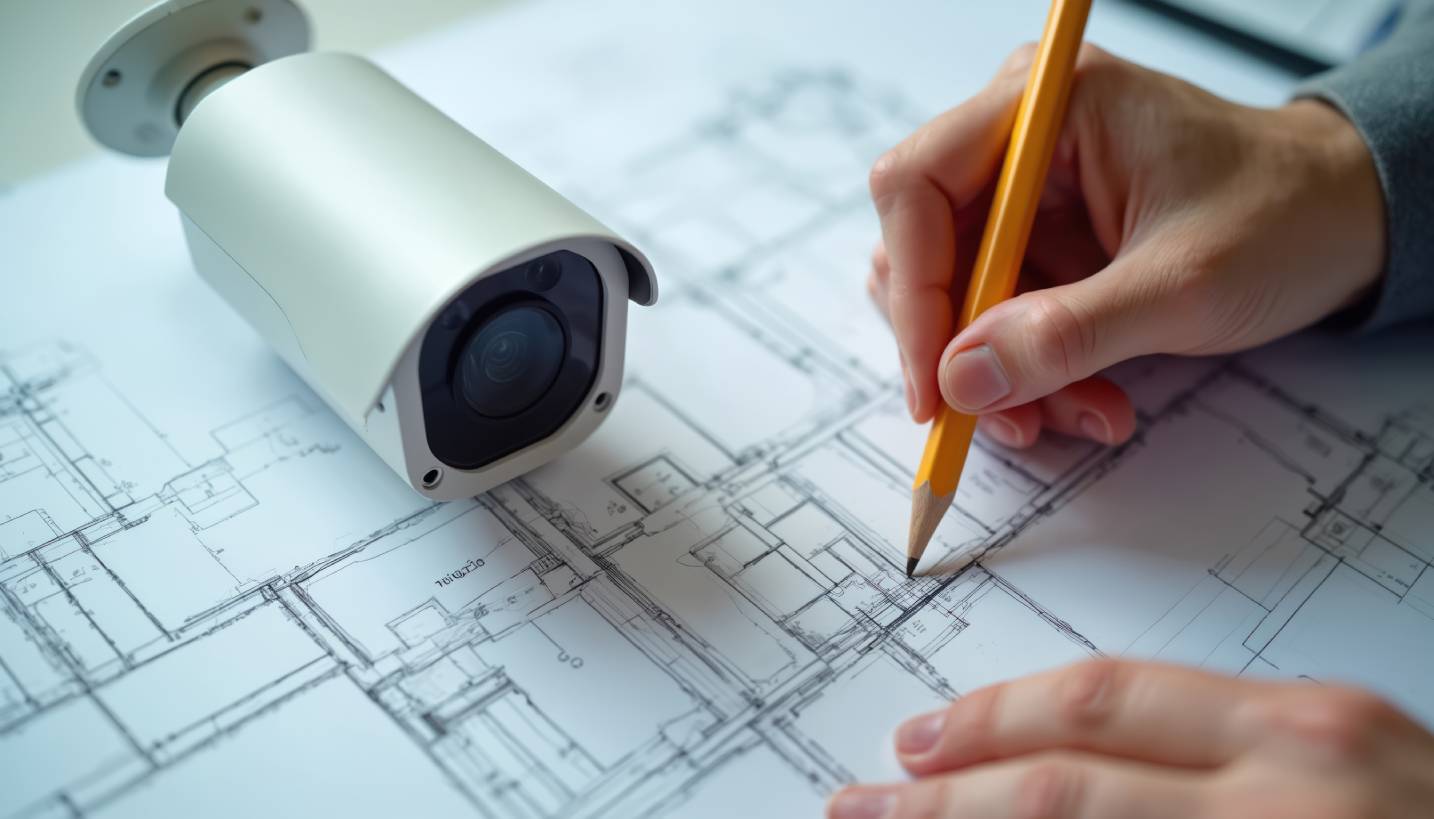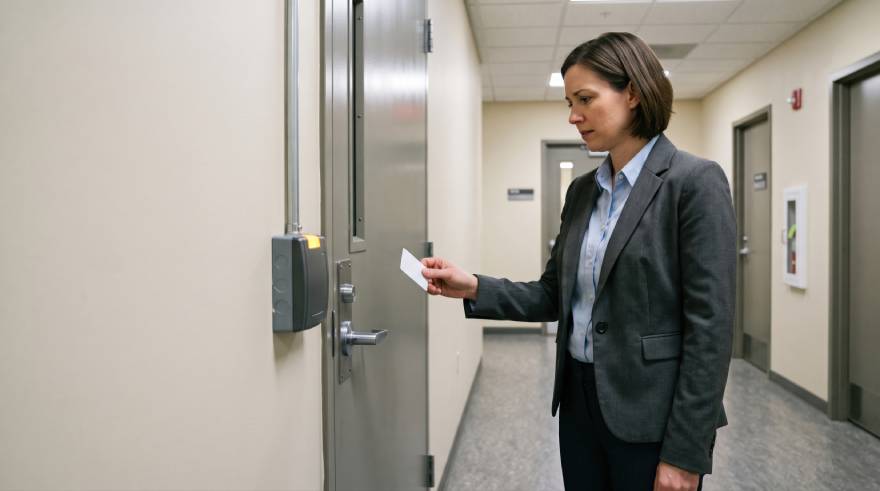
School and health facility security systems work best when fire, access control, and video operate as one connected platform instead of three separate ones. Both facility types must stay open to the public while protecting vulnerable people, and integration lets limited staff manage that balance. This guide explains why integration matters for schools and health facilities and what to look for in a provider.
Why Do School and Health Facility Security Systems Need Integration?
Schools and health facilities share a difficult combination: constant public access, vulnerable occupants, and security teams that are small relative to the size of the building. Students, patients, and visitors all need to move freely, yet the people inside depend on staff to respond quickly when something goes wrong.
Standalone systems make that harder. Integration solves three specific problems:
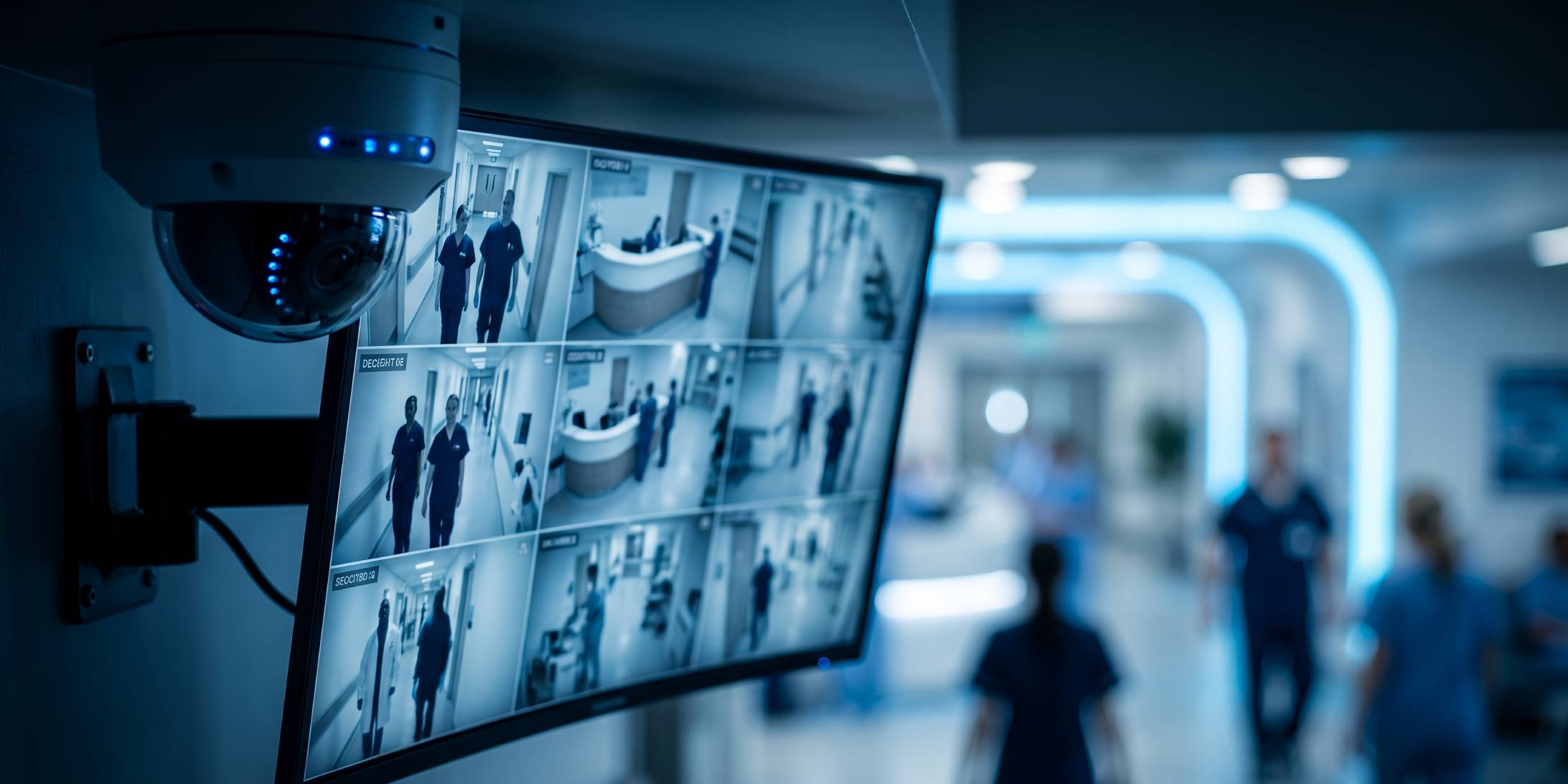
- Fragmented monitoring: When fire, access, and video run on separate interfaces, an operator must switch between screens to understand a single event, and details can be missed in the gaps. One platform brings door status, camera feeds, and alarm alerts into the same view. That lets a small team assess an incident in seconds instead of piecing it together across systems.
- Slow coordination: Standalone systems cannot act on each other’s data, so every response step depends on a person noticing the event, deciding what to do, and relaying it. Integrated systems follow preset rules instead, such as locking designated doors during a lockdown or releasing exit doors when the fire alarm sounds. This removes delay at the moments when seconds matter most.
- Inconsistent records: Separate systems keep their own logs with their own time stamps, which makes reconstructing an incident slow and error-prone. When access events, video, and alarms share one timeline, reviewers can follow what happened in order from a single record. That speeds up incident review and makes reporting to administrators or regulators more accurate.
What Are the Security Needs of School Facilities?
Schools must stay welcoming to students, families, and the community while still controlling who enters and where they can go. Overly restrictive measures applied everywhere can undermine that mission, so layered approaches usually work better.
A layered school design often includes:
1. Controlled entry points: visitors are screened at a single main entrance while other doors stay locked from the outside
2. Zoned access: open common areas paired with restricted access to classrooms and administrative offices
3. Lockdown capability: access control that locks designated doors automatically when a lockdown is triggered, rather than relying on staff to do it door by door
Clear communication with parents about the measures in place also builds trust, since families are more likely to support security they understand.
What Are the Security Needs of Health Facilities?
Health facilities must protect patients, staff, medications, and records while keeping care areas accessible. Many patients cannot evacuate quickly, so healthcare buildings often rely on defend-in-place strategies, which makes reliable fire and life safety coordination especially important.
Common integration needs include:
- Restricted areas: pharmacies, medication rooms, and records areas need access control with logs that show who entered and when
- Patient safety zones: secured units, such as those for memory care or infant protection, depend on doors and alerts that work together
- Records protection: facilities that handle electronic health information must control physical access to the systems that store it, which access control and video logs help document
Requirements vary by facility type and accrediting body, so confirm which standards apply before selecting equipment.
Why Do Life Safety Codes Matter for Integration?
Life safety codes require that exit routes stay usable during an emergency, and security hardware cannot interfere with that. Electrified door locks must release when the fire alarm activates so occupants can leave, which is one reason fire and access control should be designed together instead of installed by separate vendors.
This matters most in buildings where evacuation is harder or where large groups move at once. An integrated design lets security locking and fire release work from the same logic, so one cannot defeat the other.
How Do You Choose an Integrator for Schools and Health Facilities?
Look for a provider with direct experience in occupied, regulated buildings rather than general commercial work alone. These projects often involve phased installation around classes or patient care, code review, and ongoing service expectations that standard commercial jobs do not.
Ask three questions before selecting a provider:
1. Have you completed projects for schools or healthcare facilities, and can you provide references?
2. How do you schedule work to avoid disrupting classes or patient care?
3. What ongoing support and service response do you provide after installation?