
How To Test Fire Alarm

How to Test Fire Alarm

How To Test Fire Alarm

Know how to test fire alarm? Every business, apartment, hotel, hospital, and school has a fire alarm system.

Every year, fire does a lot of damage to businesses and can even lead to bankruptcy. Of course, the monetary loss is only part of the story since some fires result in the loss of life. 

To safeguard businesses from this type of harm is the main purpose of a fire alarm system. Its primary goal is to notify employees of a fire so that they can act before it spreads, or at the very least allow management enough time to perform their duty of care and send everyone in the building to safety.

Many people are unaware of how to test fire alarm systems. It needs inspection and regular testing to ensure that they work correctly and are up to code.

Suppose you have installed a fire alarm on your own or manage a building. In that case, you should understand the basics of how to test fire alarm for your system to be compliant and operational to keep your employees and property safe.

What is the purpose of fire alarm system testing?

Testing and inspections of fire alarm systems are essentially the same, and experienced fire protection providers must complete them.

All gadgets that make up a fire alarm system are checked and tested during these inspections/tests. 

  • Verify that the initiating devices’ sensitivity is within the manufacturer’s specifications.
  • Smoke detectors, heat detectors, duct detectors, beam detectors, and other initiating devices.
  • A regular inspection and testing of the fire alarm panel is a must and required.
  • Horn strobes, chime strobes, speaker strobes, mass notification systems, and so on are examples of notification devices.

Regular tests are required to ensure that every fire alarm system component is in good operating order.

fire alarm accessory

How To Test Fire Alarms?

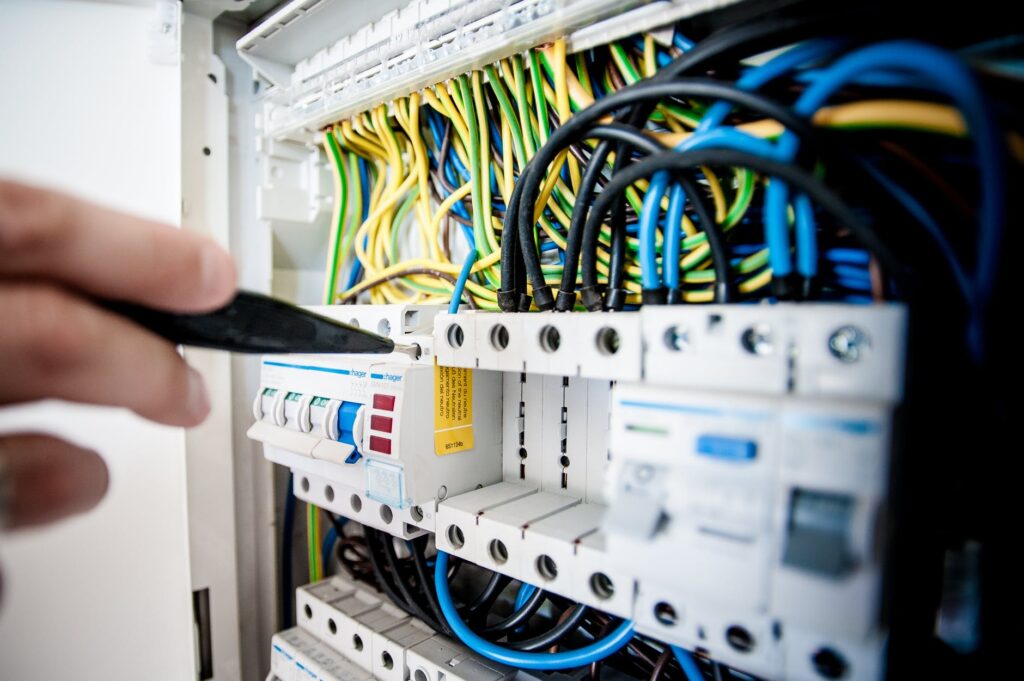
In a sense, how to test fire alarm means several mandatory tests and inspections. While most people are acquainted with the annual examination in which a technician checks the initiating devices, notifying devices, and fire alarm panel to ensure they are all working correctly, there are two other tests you should know about:

Acceptance Test

Following the installation of a new system, an acceptance test is necessary. It’s similar to a function test in that it guarantees that all new system components are working correctly. Every element in the system, including the initiating, notifying, and firing panels, is tested.

Performing acceptance test is only once before a building can be occupied immediately following installation. Building renovation is the sole exception in requiring an acceptance test.

Sensitivity Test

Within one year after installing a fire alarm, a sensitivity test should is necessary.

This test’s initiating devices are the subject, ensuring they activate within the manufacturer’s ranges and ratings.

To accomplish so, technicians must activate the initiating device with a combination of a metering device and their aerosol smoke (or heat element) and utilize a pre-set amount of smoke to ensure the alarm triggers within the manufactured range. They then compare their results to the device’s manufacturer’s recommended range. It passes if the device activates inside the defined range.

The system monitors the sensitivity of the devices using “intelligent” plans, and pull reports and provided to the consumer.

Testing often requires two personnel, one watching the fire alarm panel and one to each unit to test and activate it. In some cases, one technician may complete the tests on their own in minimal areas.

Finding a fault, whether by the system’s internal monitoring or through any other source, the responsible person should take the following steps:

  • Assessing the fault’s impact region and determining whether it needs more action (such as a fire investigation) in that location
  • Determine the cause of the fault, possibly making a note of the activities in the region impacted immediately before the mark.
  • Make a note of the problem, notify the servicing organization, and make arrangements for repair.

What Is CCTV

To monitor the launch of V2 rockets, German scientists invented CCTV technology in 1942. American scientists later employed it as part of the atomic bomb testing. Furthermore, CCTV has changed drastically since its development in 1942. Whereas once upon a time, it is only used to watch live footage, it rapidly evolved into a recording system that enabled users to see and save data. As a result, it became the ultimate security technology.

What Is CCTV

What is CCTV

CCTV is an acronym for Closed-Circuit Television. It is a closed circuit because the signal is not freely transmitted as it is with broadcast television. The footage from the video cameras sends it back to a series of monitors.

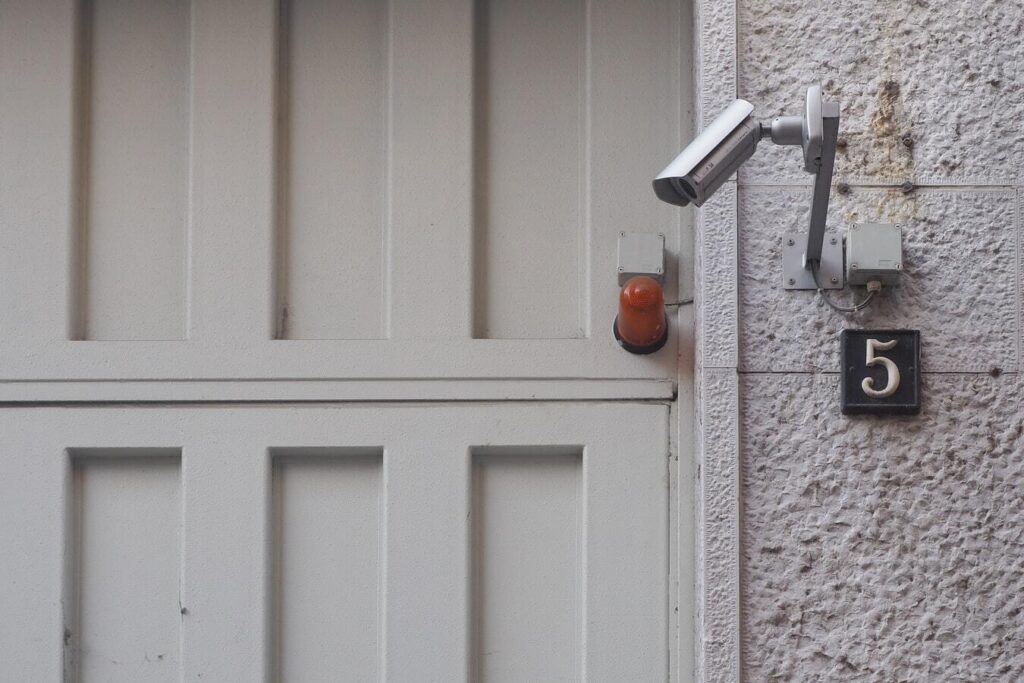
In CCTV, the television is a video camera that functions as a communications medium, transmitting moving pictures to surveillance monitors. In general, CCTV is a video surveillance system that strategically placed cameras to record video images and send them to a display or monitors with only a limited number of individuals accessing it.

CCTV Camera Types

Dome Cameradome camera

Dome Cameras are for indoor security systems. The dome shape of these cameras makes them inconspicuous because it is difficult to determine which way they are facing while yet being visible to the naked eye. They are a common sight in retail spaces to monitor a wider angle.

Bullet Camera

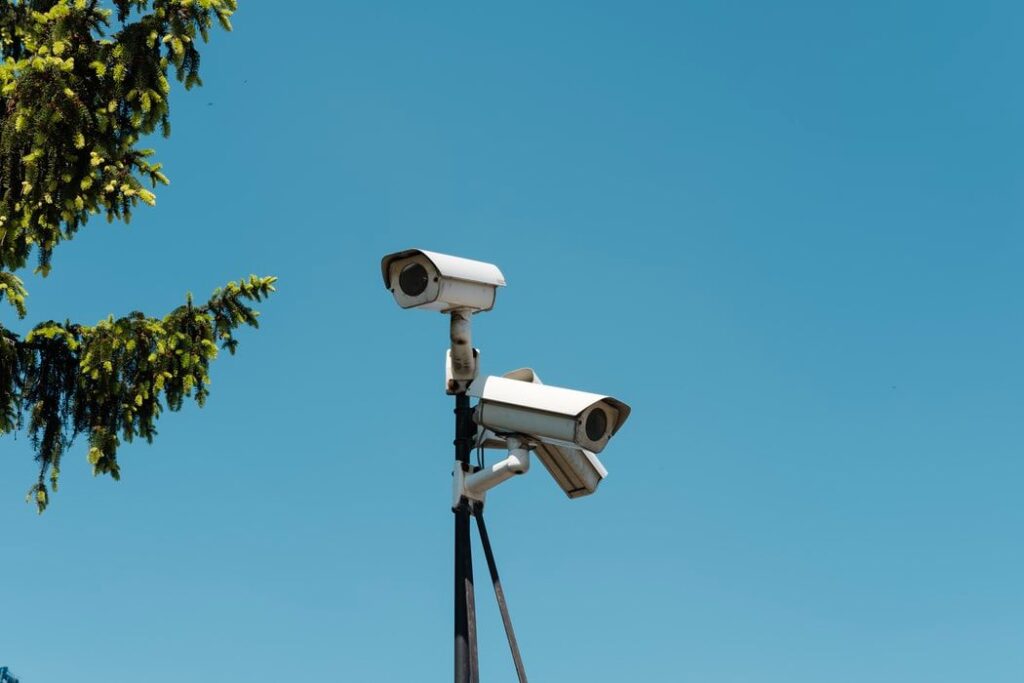
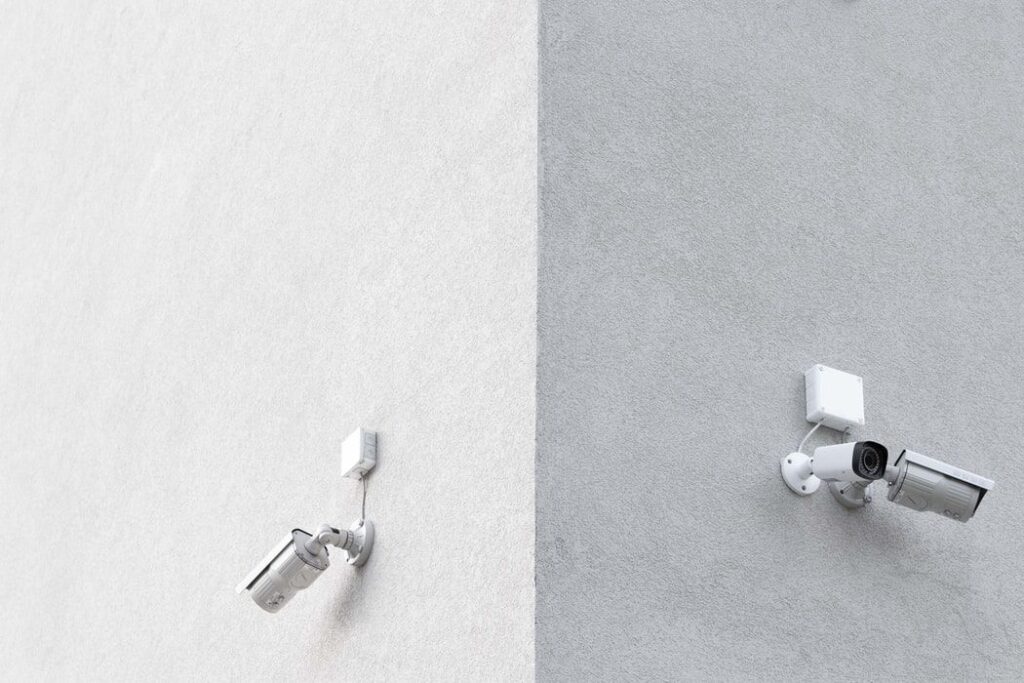
Bullet Cameras feature a cylinder-like shape that mimics an enormous ammunition cartridge and is long and tapered. Furthermore, bullet cameras are for long-distance surveillance. Also, they are outdoors weatherproof surveillance and are prevalent in manufacturing, farming, and property management industries.

C-Mount Camera

C-Mount Cameras use demountable lenses for different purposes. For fine-tune focal distance, it uses a varifocal lens. They are for achieving variable zoom in and out without losing their focus. C-Mount Cameras are popular in the utilities and logistics industries.

Day/Night CCTV Camera

Day/Night CCTV Cameras are for 24/7 surveillance. These surveillance cameras, mainly used outside, offer a broad dynamic range and can work in direct sunshine, glare, or reflections. They are therefore ideal for businesses that require round-the-clock CCTV monitoring.

HD (High Definition) CCTV Camera

HD CCTV Cameras are for highly niche places, such as casinos and banks. These surveillance cameras are comparatively at a higher resolution than others. Therefore, they can capture finer details when zooming in without losing their quality.

PTZ (Pan Tilt Zoom) Camera

PTZ Cameras allows the operator to pan, tilt, and zoom the lens freely. The operator can program or manually control them to follow an accurate view. Furthermore, these expensive cameras are for achieving responsiveness. They are popular in large retail environments.

Network/IP CCTV Camera

Network/IP CCTV Cameras can transfer recordings over the internet with or without a wire connection. They can send recordings over a far distance without the power boost required. However, they are easy to install in comparison to an analog camera.

Infrared/Night Vision CCTV Camera

Infrared/Night Vision CCTV Cameras can see what is happening in absolute darkness. They can also capture images even in the presence of dust, smoke, or fog. An infrared cut filter activates for clear photos.

Wireless CCTV Camera

Wireless CCTV Cameras work on wireless technology. Furthermore, they are easier to install and have a discreet appearance and less obtrusive fitting. The transmission of the footage is via the internet for convenient access.

CCTV Applications

Security, monitoring, and surveillance are the primary functions of CCTV systems. Listed below are some of the CCTV applications:

Crime Management

CCTV surveillance cameras can deter potential criminals. When a crime occurs, video footage can aid law enforcement in the investigation and subsequently serve as evidence in a court of law. When used in conjunction with CCTV, thermal, audio, and other sensors can alert officials of unusual events, such as gunshots or fire at a place.

However, CCTV cameras in businesses can identify and track in-house illegal activity. Video monitoring may be used in prisons to prevent drones from carrying narcotics and other contraband to inmates. Security cameras can also monitor locations that are difficult to access, such as rooftops.

Home Security

Burglaries and vandalism are considerably less probable in homes with security camera surveillance than those without security cameras. Although security cameras do little to prevent crime physically, homeowners are increasingly using them to dissuade trespassers and keep their families secure.

Business Surveillance

Businesses use CCT technology for a variety of purposes, including as a crime deterrent. Because most companies have cash on hand, banks, offices, museums, restaurants, retail stores, and other enterprises are hotbeds for a crime. Therefore, security cameras are carefully placed at registers, back offices, near safes, and entrances to secure the money. However, to deter theft and vandalism, retail establishments install security cameras on the sales floors.

In addition, businesses utilize security cameras to monitor employees and ensure that they are making the most out of their time. It is beneficial when a company employs night workers, such as cleaning and maintenance crews, call center employees, and inventory management teams.

Disaster Management

Emergency services and rescue workers can analyze and monitor occurrences in real-time using CCTV cameras and then rely on disaster management teams through videos, such as a burning building, a cave, or a helicopter hovering over a scene.

City and Community Street Monitoring

Cameras monitor people at traffic signals and other locations around cities to collect traffic data and evidence of speeding. Security cameras are among the sensory nodes that evaluate the images they capture but do not broadcast or store them to preserve privacy. In most cases, just a limited number are kept for senior academics to utilize to “create computer vision software.” Furthermore, privacy advocates have raised concerns about the initiative.

Medical Monitoring and Diagnosis

There are around 43 facial muscles that allow humans to communicate their ideas and feelings. Innovative software can more readily detect certain emotions, such as pain or fear, in photographs than individuals can. Patients – such as youngsters or the elderly – can also be monitored by CCTV cameras to detect possible medical catastrophes, such as a stroke, asthma attack, or epileptic.

Retail Intelligence

Market intelligence gleaned from video surveillance of consumers is used to evaluate trends and enable enhanced strategizing, such as how people shop, etc. However, heat maps may assist retailers in determining peak purchasing hours, preferred promotion kinds, and staffing requirements during peak shopping periods by displaying the highs and lows of consumer activity at specific places in the store.

Behavioral Research

According to CCTV footage used in suicide studies, 83 percent of those attempting to jump in front of a train displayed particular behaviors. These were analyzed subsequently using CCTV footage and are now used to warn monitor watchers of suspected suicides. However, researchers also utilize surveillance networks to track crowd activity in public locations and prevent anti-social conduct. Schools, for example, have employed cameras for security and record bullying and playground events on video.

CCTV Systems and How Do They Work

Analog Security Systems

Analog surveillance systems use transmission wires to link a typical analog camera to a digital video recorder (DVR). The DVR collects footage from the camera, compresses it, and saves it to a hard disk for live or later viewing. Furthermore, this setup also enables you to stream the movie over the internet for watching from afar.

With the analog system, the DVR compresses, converts, stores, and streams the video. It is also in charge of all the camera’s built-in features, such as motion detection, alerts, schedules, alarm inputs, and so on.

Pros: Easier installation and cheaper

Cons: No data encryption, lower resolution, and more cabling required

IP Security Systems

IP systems are a little more complicated and, as a result, more costly. The camera takes over the DVR’s responsibilities in an IP setup, such as compressing, transcoding, and streaming footage over the internet.

Pros: Enable the automation of surveillance process and highly mobile, enable remote monitoring, and no network cabling required

Cons: Expensive, at risk from hackers, and entails a higher learning curve.

Types of Systems Available

There are a lot of different CCTV systems accessible to the public, but each falls under one of the following three categories:

Simple CCTV Systems

It consists of a single coax cable connecting a camera (or cameras) to a display or monitors. The monitor in simple system powers the cameras.

Mains Powered CCTV Systems

It works in the same way as a simple system, except that mains powers separately both monitor and camera. However, this setup provides more scalability because it is easy to add additional cameras to the system without running out of power.

Systems with Recording Capabilities

It includes video recorders for data preservation and the opportunity to review footage at a later time. Furthermore, you can add a DVR  to this system for video retrieval and additional storage or transmission.

CCTV System Arizona

Key CCTV Tech Terms

Video Encoders

Video encoders allow analog CCTV systems to be converted to network systems, allowing users to use lower-cost hardware and contemporary functionality. The program enables a wired connection before digitizing and transmitting video data to a wired or wireless IP-based system.

Image Sensors

Different types of image sensors are used in cameras to transform light into electrical signals. Multiple photodiodes, or pixels, make up a sensor that detects the quantity of light exposed and converts it to electrons. The two popular formats are CMOS and CCD.

CMOS (Complementary Metal Oxide Semiconductor)

CMOS sensors are cheaper than CCD sensors. Megapixel (millions of pixels) CMOS sensors may even outperform CCD sensors in terms of quality.

CCD (Charged Coupled Device)

These consume more electricity and are more expensive. CCD scanners are typically the best choice for low-light situations (greater light sensitivity) and are quieter than CMOS scanners. (Although the transmission is analog, it is transformed to numeric values for information by an analog-to-digital converter.)

Image Scanning

CCD sensors typically employ an interlaced scanning method (immediate exposure) for digital CCTV, but CMOS and CCD can use either interlaced or progressive scanning. Furthermore, interlaced scanning is the sole scanning method used by analog cameras.

Interlaced (famous for CCD applications)

The transmission of odd and even TVLs (L stands for lines) from an image is the goal of this technique. Cameras with more than 400 lines have a fair resolution, while those with more than 700 lines have high resolution. Furthermore, these signals are updated regularly, lowering bandwidth and deceiving the human brain into believing it is viewing a single, complete image.

As long as an interlaced recording is viewed on an interlaced display, an interlaced image on a progressive scan monitor may seem jagged. However, modern video software deinterlaces interlaced scans before converting them to progressive scans viewed on analog and progressive scan monitors.

Progressive (famous for CMOS applications)

This technique does not divide the images into fields (even and odd lines). Instead, scans the image, and each line is shown consecutively on a monitor.

Recorders

DVRs (digital video recorders) are generally part of a CCTV system, connecting to internal components rather than external networks. DVR associates with analog cameras. Furthermore, every camera in a DVR system must be linked directly to the recorder.

While DVR systems process footage on their own, NVR systems process and encode data at the camera level before streaming to a recorder for storage and remote viewing. However, NVR systems use IP cameras. Each IP camera in an NVR system connects to the same network.

Why Use CCTV Technology

The video surveillance sector has sprung up due to CCTV technology, which has enabled a variety of safety options for property owners, police enforcement, and company owners worldwide. The industry has evolved to changing customer demands, delivering better goods with more excellent performance and dependability. Furthermore, CCTV has proved to be one of the most accessible loss prevention and safety monitoring technologies available on the market today, with systems available in all price ranges and each giving varying degrees of protection.

Here in Southwest Integrated Solution, we can conduct a site survey to advise on the correct type of CCTV cameras for your businesses and conform with CCTV regulations. Contact us at (632) 322-5088 and speak to our CCTV experts today!

How To Install Low Voltage Outdoor Lighting

How to Install Low Voltage Outdoor Lighting

Outdoor low-voltage lighting is a pleasant floodlight alternative and also used to illuminate stairs, paths, and dark zones for safety purposes. In adding dramatic emphasis to your garden’s best feature, outdoor low-voltage lighting is by far your best choice. Furthermore, they can be as attractive and natural as the landscape itself when artfully installed.

How To Install Low Voltage Outdoor Lighting

To improve curb appeal, installing low-voltage outdoor lighting is one of the effective ways. Since it is low voltage, it is safe to install and use. Learn how to install them to enhance your exterior space.

Selecting the right fixtures and wiring correctly makes your low-voltage outdoor plan successful. For water features such as pools and fountains, use waterproof pond lights. For simulating moonlight, use tree-mounted spotlights and for lighting walkways, use offset path lights. However, for highlighting both surrounding plants and walkways, use cone lights. And for significant elements such as buildings, use floodlights.

Some Tips and Tricks to Install Low Voltage Outdoor Lighting

As you shop for your lighting system, buy a larger transformer so you can add more lights when your landscape expands. Also, always consider the seasonal factors when designing your lighting installation. However, avoid overlighting because it can make your area look washed out.

Steps To Install Low Voltage Outdoor Lighting

If you already have a layout plan and materials, you can proceed to the steps listed below:

  1. Place all the fixtures according to your layout plan.

From the transformer to where the lights begin, use 10-gauge wire for your main lines. Then use a 12-gauge wire between the lights. Use a flat shovel to bury the cables on your lawn at least 6 inches deep.

  1. Set up the low-voltage lighting transformer.

Install your transformer near an outdoor outlet in a central location. By stripping off 3/4in. of insulation, connect 10-gauge wires to the transformer. Twist small strands together first, then attach them to terminals.

  1. Construct a solid base.

For top-heavy cone and path lights, create a rock-steady base from plastic pipe. This base will give your low voltage lighting a sturdy footing, indestructible, and allows you to create extensions. Remember, don’t glue the plastic pipes.

  1. Use weatherproof wire connectors.

Weatherproof wire connectors have a blob of sealant inside and a shield on the bottom.

stunning outdoor space

  1. Make sure that your fixtures are straight.

Install the lights in a hole deep enough to level the PVC footing with the ground surface. Use a torpedo level for pole leveling and pack the soil around the base. To secure the unburied wires, you can use aluminum tent stakes.

  1. You can now test each light.

With a digital voltage meter, test every light fixture for its voltage level. However, low readings indicate a bad connection in the system. Furthermore, you can use voltage controls on the transformer for minor adjustments.

Make Your Outdoor Space as Special as Indoor Space

Outdoor lighting allows you to be proud of the home you built. Add extra beauty by highlighting unique features surrounding your space and come home to a perfectly lit house with beautiful outdoor lighting.

What Is Considered Low Voltage?

Most of us suppose that every electrical system in our houses is essentially the same as one another. However, with the increasing emphasis on energy efficiency, we learned that the lightings and other wirings we use vary. An excellent example of this priority is the emergence of LED lighting systems in many homes. If you have LED lightings in your home or backyard, then you’ve probably come across the term low voltage. You may even have encountered it more than you realize. So, what is it, and which electrical systems in your house or office are considered low voltage?

What Is Considered Low Voltage

What Is Considered Low Voltage?

Low voltage wiring refers to electrical hardware that harnesses 50 volts of electricity or fewer. The most familiar types of equipment that fall under this category carry 12V, 24V, or 48V. It is different from the standard line voltage systems that are most common in homes and use 120V or 240V.

Low voltage systems can be a more reliable and cost-effective substitute to a high voltage electrical network. They also span a wide variety of residential and commercial applications, including fire safety, defense, and audio and communications. They are simpler to mount, maintain, and use and they are subject to specific, more liberal electrical safety code standards.

Some of the most popular devices that run on low voltage wiring are telephones, internet, security alarms, fire alarms, and audio systems. Low-voltage lighting systems, especially those that use LED bulbs, are also rising in popularity nowadays. They work pretty differently from line voltage systems in that they need a transformer to convert voltages.

How Do Low Voltage Systems Work?

Low voltage systems work via a structured cabling setup- built separately from the house’s central electrical system. The structured cabling supports the low voltage wirings and usually allows for the addition of future hardware. However, its viability depends on an excellent design and efficient cable organization- a task mostly reserved for a contractor.

A successful design addresses ventilation problems provides redundancy, identifies the best wiring for the project, and designs cabling patch routes. Fiber optic cables and speaker wires are two of the most common cablings used for low-voltage installation. Simplistic, effective, adaptable, coordinated, versatile, and easy to change cabling system is ideal for optimal performance.

Another essential component is the transformer which converts line voltage to a lower voltage, from 120V to 12V or 24V. Experts recommend that you determine how much wattage your system needs to ensure that your transformer has an ideal capacity. The voltage can become too large when it exits the transformer, and without sufficient load, the transformer may malfunction.

Low Voltage Systems Are Considered for Their Excellent Benefits

The main driving force behind low voltage systems’ rise is its various advantages to home and business owners. Yes, they are energy-efficient, but they offer a lot more benefits than lowered electricity consumption. Large and smaller firms utilize multiple low voltage systems to operate their business processes, fix any security concerns, and more.

Energy Efficient and Environment FriendlyCommunication Systems

Low voltage systems conserve energy better when compared to other available options, especially in lighting systems. The reduced heat production lets the devices involved to remain cool and prevents overheating even for extended hours. It also means that they are ideal for indoor installations, which is the case for most of them.

Moreover, one of the most apparent advantages of a low-voltage device is that it is less harmful to the environment. Since the device needs less energy to work, the consumer may rely less on the power grid. Less energy consumption in operations also results in significant monthly electricity bill reductions.

Affordable and Cost-Effective

The minimal energy usage contributes to a lower electricity bill, rendering low-voltage systems more economical and cost-effective. Most of them are more durable than their line voltage counterparts, like LED lights that last longer than incandescent bulbs. Both of these factors point towards better savings for you in the long run.

Full Safety

Low voltage wirings present minimal electrical shock risk in usage, which is perfectly safe for indoor and outdoor applications. So much so that it allows the installation process to proceed without shutting down the power grid. Being low voltage means an entirely secure system- perfect for your indoor and outdoor needs.

Having complete command of your home’s controls also allows you to turn your house’s lights instantly for your home security. If you hear a suspicious noise, such as broken glass or movements in the night, this feature helps deter trespassers.

Additional Convenience

Low voltage systems’ benefits when it comes to lighting go beyond performance, durability, and safety. Many devices available today have much more regulation than was formerly possible, just like the ability to adjust lighting colors. Specific load control, rather than controlling a group of lights, is also becoming more popular among homeowners.

Many low-voltage systems have a central control panel to regulate all devices from one location and avoid leaving them. It is more convenient and helps the consumer switch off any device that isn’t in use, thus saving electricity. You’ll appreciate the peace of mind with ensuring that all devices are off before sleeping or leaving for a holiday.

What Are the Uses of Low Voltage Systems?

Low-voltage systems are simple to operate and can be helpful in any structure or establishment. Business owners and homeowners enjoy the benefits of these systems and put them to use for various purposes. Doorbells, alarm cameras, sensors, and garden lights are among its domestic applications. Most businesses considered communications and security as the most vital usages of low voltage systems, though there are plenty more.

Commercial Low Voltage Usages Are Considered Outstanding

Businesses can employ low voltage solutions for security and safety, like CCTV cameras, to oversee what transpires inside the building. They are very good at maintaining appropriate staff and visitor activities and investigating breaches in the area. Motion sensors and other intrusion prevention devices can help protect the building from trespassers and unwanted movements.

Commercial and industrial buildings also incorporate different low voltage technologies for connectivity and information transfer. Intercoms and pagers efficiently and quickly deliver alerts and updates, allowing for faster and more efficient responses. These systems are particularly crucial in hospitals, health centers, and medical facilities.

Low-voltage lighting has been found to provide excellent views inside offices and can be suited to meet particular corporate needs. Overall, businesses also prefer low voltage systems for their operations due to a variety of advantages.

Residential Low Voltage Uses Are Considered Valuable

Many residential low voltage solutions are in conjunction with commercial functions, most notably protection, including anything from alarms to CCTVs. Fire alarm systems are critical for eliminating damages in a fire emergency, mainly while people are still sleeping. Additionally, CCTV cameras dissuade burglary and assist in monitoring younger household members and elderly who need assistance.

Due to their various advantages, low voltage LED lights are also desirable amongst homeowners. They are less expensive to operate due to lower energy usage while providing better and more ecologically responsible lighting alternatives.

Different Applications of Effective Low Voltage Systems

Low voltage installation has many benefits, including its versatility for various applications in almost any home or business establishment. The following are among the most popular applications of low-voltage systems:

Low Voltage for Reliable Fire Protection Systems

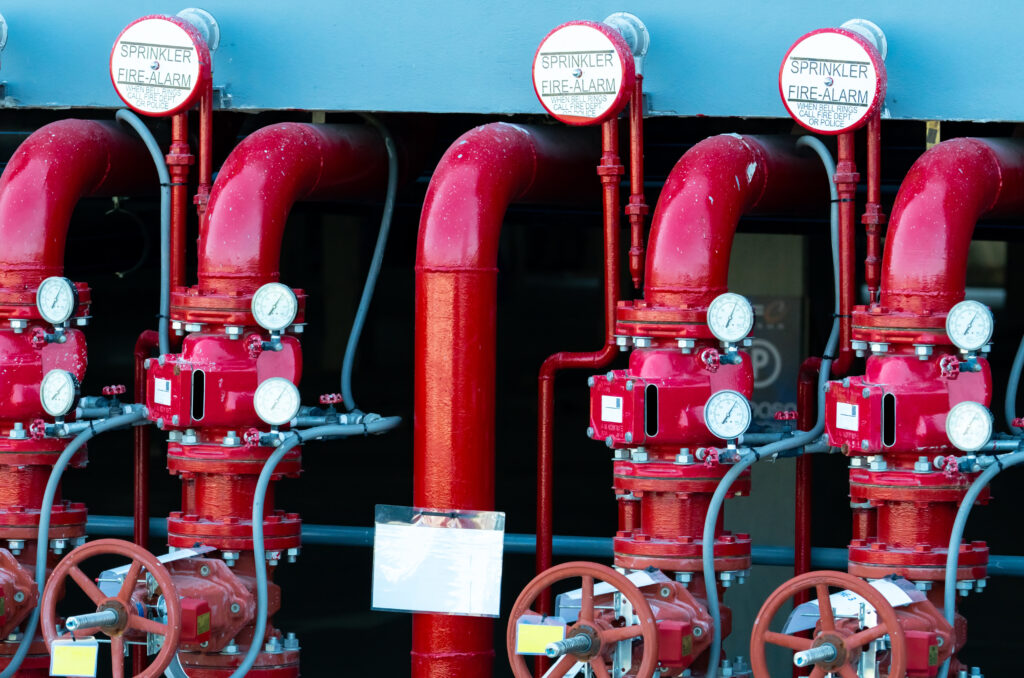
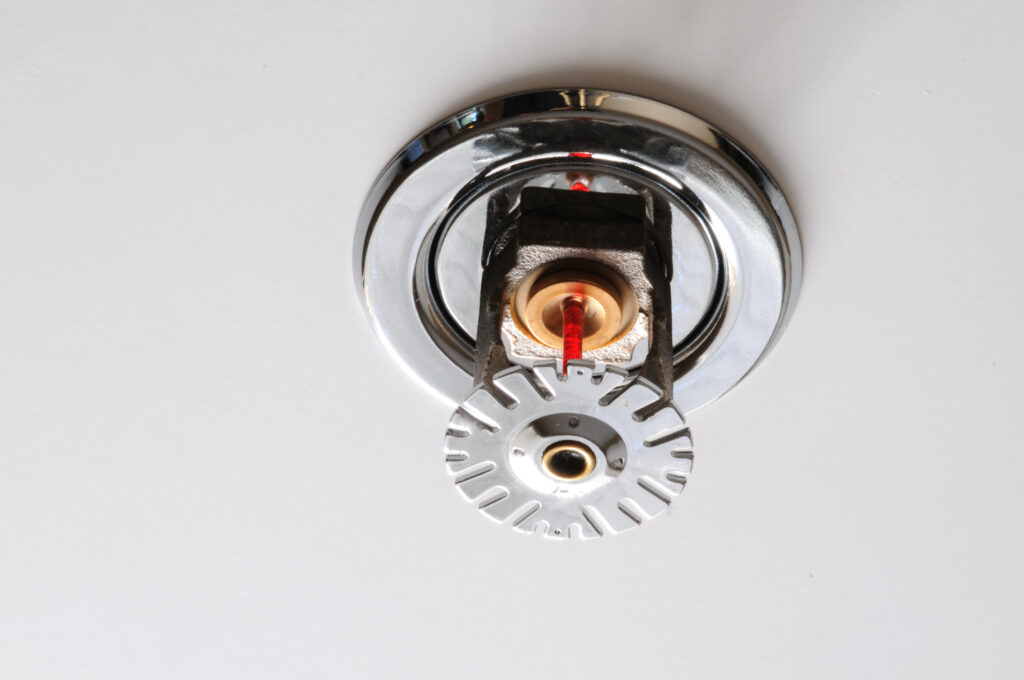
Fire protection systems’ primary purpose is to ensure people’s safety in residential and commercial buildings during a fire. Fire alarms alert individuals of the emergency for timely evacuation and prevention of further damage and loss of lives. Meanwhile, sprinklers and other suppression systems automatically put out the fire through chemicals or foam, protecting supplies and equipment.

A fire safety system is the ideal solution to safeguard businesses from fire, minimize property damage, and keep employees safe. Sprinklers, smoke alarms, and other fire-fighting devices are all part of this system, which works together to protect against fire. They function to contain the fire while alerting authorities for emergency personnel dispatch to the affected area.

Comprehensive Low Voltage Security Systems

Low voltage security systems are a big help in making people safer by deterring theft and other crimes. It includes closed-circuit television (CCTV) or security cameras, recorders, and monitors showing live footage within your establishment premises. These pieces of equipment also allow you to review video recordings whenever you need them.

Motion sensors also help alert your security personnel by effectively detecting trespassers, intruders, and other potential dangers. Access control systems like card readers and biometric scanners meanwhile keep unauthorized people from getting into restricted rooms. These security tools and structures should help you monitor and secure your home or business establishment better.

Low Voltage Are Considered for Effective Communication Systems

When asked what the most popular usage of low voltage wiring is, communication might be considered the most common. Telephone lines utilize too low of an electrical current that only a phone company can shut its power. The same goes for internet and wi-fi connections.

Efficient relay of messages and information is also crucial in large business establishments. Intercom systems facilitate this undertaking with reliable paging and call stations. Security personnel can utilize them for mass instructions and notifications to people within the building premises in case of emergencies.

Nurse call systems also benefit hospital and medical center workers through quick and successful communication and dissemination of information. Their use results in rapid response, which is vital for patients in need of immediate attention.

Energy-Efficient Lighting Systems

Whether used indoors or outdoors, low-voltage lighting is now the most popular option for domestic lighting systems. Its recognition in the United States began in the 1950s, and it has remained that way with its various functions. Low voltage lighting is uncomplicated to install and versatile, working in multiple environments and conditions.

With a wide range of bulbs and beam types, low voltage lights bring greater flexibility for your lighting system needs. They also provide more installation options, as they can fit seamlessly in narrower or smaller spaces. Low-voltage lighting is standard not only for backyard lighting but also for pathways, terraces, and even pool lighting.

You can integrate these low voltage infrastructures through a sound and ingenious system, either by cables or wireless networks. It connects your surveillance cameras to recording equipment, communication devices to each other, and more.

You can never think of your property’s fire safety, surveillance, and communication systems as distinct from one another. You can comfortably manage and monitor every component of low voltage infrastructure in an integrated structure with complete connectivity solutions. When they function together, you can relax knowing that your employees’ and clients’ safety and protection are not at risk.

Integrated System

Professionals Low Voltage Providers Should be Considered

Many homeowners are usually not knowledgeable about low voltage installations, which might contribute to the task’s difficulties. When you configure your equipment, there is no assurance that the process will correct and precise, potentially resulting in damages. It is best to work with competent low-voltage experts to prevent hard work, excessive tension, and potential mistakes.

When selecting a low voltage system company, bear in mind future potential issues and choose contractors to meet those needs. They should have the necessary licenses to operate in the area and a valid work injury compensation policy. Additionally, companies should update to see if their low-voltage systems are current and using the most advanced technologies.

Low Voltage May Just Be What You Need

Low voltage wirings are the best for many devices that rely on minimal electricity to function well. These devices typically include communication and security systems that provide plenty of uses to residential and commercial establishments. With their benefits, they are a perfect option for all your electrical system and integrated network needs.

Whether garden lighting, security alarm, or any low-current devices you considered installing, a reliable low voltage system is what you need. Low-voltage systems reduce electricity costs while providing functional solutions to your electrical network demands.

Assess what your residence and business need, and speak with a low-voltage provider in your area to find out what will fit perfectly for you. With a professional contractor’s help, you can have the integrated solution to upgrade your home or business.